
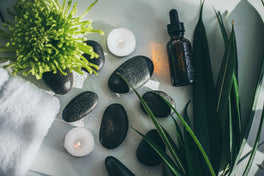
Eco-Conscious Skincare Routine Tips: A Practical Guide


Table of Contents
- Why Eco-Conscious Skincare Matters
- Sustainable Beauty Product Swaps That Work
- How to Recycle Skincare Packaging Responsibly
- Minimalist Skincare Routine Benefits
- Identifying Greenwashing and Choosing Truly Sustainable Brands
- Reducing Water Consumption and Carbon Footprint in Your Routine
- Building Your Eco-Conscious Skincare Routine: Step by Step
- Frequently Asked Questions
Last Updated: September 30, 2026
Why Eco-Conscious Skincare Matters
Building an eco-conscious skincare routine tips approach isn't just about feeling good. It's about making choices that actually reduce waste and protect the environment without sacrificing results. At Ever Bloom Now, we understand that busy women want products that work, and align with their values.

The beauty industry generates massive amounts of plastic waste. Bottles, jars, and packaging end up in landfills every single day. When you shift to sustainable practices, you directly reduce that footprint. It's a simple math: fewer single-use containers, less water consumed, fewer chemicals harming ecosystems.
Here's what matters most: an eco-conscious skincare routine doesn't mean settling for inferior products. It means being intentional. Choosing brands that source responsibly. Selecting multi-use products. Recycling properly. These small actions compound into real environmental impact.
Sustainable Beauty Product Swaps That Work
The easiest way to shift toward sustainability is swapping out single-use items for multi-use alternatives. This is where many people start, and it's where momentum builds.
Reusable cotton pads replace disposable wipes. One set of washable pads eliminates hundreds of single-use wipes annually. They work just as well for cleansing and cost less over time.
Bar cleansers replace liquid soaps. A solid cleanser bar lasts longer than bottled versions. No water weight. No plastic packaging. The formula concentrates into a smaller form factor.
Glass or aluminum containers replace plastic. These materials last indefinitely. They're infinitely recyclable. If you're buying serums or moisturizers, choosing glass packaging is one of the highest-impact swaps you can make.
Refillable bottles replace disposable ones. Some brands now offer refill stations or subscription refills. You keep the glass bottle and swap the contents. Zero new packaging per refill.
Consider the EverBloom Now Vitamin C Facial Serum in its 30ml bottle, designed to deliver concentrated formula without excess packaging. Pair it with a reusable application routine using glass containers you refill over time.

Multi-purpose products replace single-use items. A hydrating serum works as a moisturizer base. A gentle exfoliating gel works as both cleanser and treatment. Fewer products mean fewer bottles.
The biggest mistake is buying "eco-friendly" products that you don't actually use. Stick with swaps that replace items already in your routine. Unused sustainable products create waste too.
How to Recycle Skincare Packaging Responsibly
Most people toss skincare containers in regular trash. That's where the problem starts. Proper recycling requires understanding what your local facilities actually accept.
Step 1: Check your local recycling guidelines. Call your municipality or visit their website. Different areas accept different materials. Some take glass and aluminum but not plastic pumps. Others have separate programs for hazardous waste.
Step 2: Clean containers thoroughly. Residual product prevents recycling. Rinse bottles and jars with water. Let them dry completely. Dried product residue can contaminate entire batches at recycling facilities.
Step 3: Separate components. Remove plastic pumps from glass bottles. Take off metal caps. Separate different material types. Facilities sort by material, mixing them creates sorting problems downstream.
Step 4: Check for hazardous materials. Some serums contain ingredients that require special disposal. If a product contains preservatives or actives marked as hazardous, contact your local hazardous waste facility. They typically accept these at no cost.
Step 5: Find specialty recycling programs. Some beauty brands run take-back programs. TerraCycle partners with skincare companies to recycle packaging that standard facilities won't accept. Search "[brand name] + recycling program" to find options.
| Step | Action | Impact |
|---|---|---|
| Check local guidelines | Call municipality or visit website | Ensures containers go to correct facility |
| Clean containers | Rinse and dry thoroughly | Prevents contamination of recycling batches |
| Separate materials | Remove pumps, caps, separate types | Allows proper sorting and processing |
| Identify hazardous items | Contact local hazardous waste facility | Prevents environmental contamination |
| Use take-back programs | Search brand + recycling program | Keeps packaging out of landfills |
Minimalist Skincare Routine Benefits
A minimalist skincare routine, using fewer, more intentional products, delivers surprising benefits beyond sustainability. This is where many people discover that less actually works better.
Most routines suffer from product overload. Too many serums. Too many treatments. Conflicting ingredients. Your skin becomes overwhelmed. Results plateau because nothing gets a chance to work.
A simplified routine typically includes:
- Gentle cleanser
- One targeted serum or treatment
- Moisturizer
- Sunscreen (daytime)
That's it. Four products. Each serves a clear purpose.
The EverBloom Now Facial Exfoliating Gel Cream with papaya, coconut, and cucumber extracts works as both cleanser and gentle treatment. Use it 2-3 times weekly. Pair it with the Vitamin C Brightening Serum for targeted results. Add a moisturizer. You've covered your entire routine.
Benefits of minimalism:
Fewer products mean lower cost. You're not buying duplicates or "bonus" items that sit unused. Quality over quantity means investing in effective formulas rather than quantity.
Your skin adjusts faster. With fewer variables, you can actually see what works. If you introduce one new product every two weeks instead of five at once, you'll identify what creates results and what doesn't.
Reduced packaging waste. Fewer bottles. Fewer shipments. Lower carbon footprint from delivery and manufacturing.
Simpler morning and evening routines. Less time spent. Less decision fatigue. You get ready faster and move on with your day.
Identifying Greenwashing and Choosing Truly Sustainable Brands
Greenwashing is everywhere. Brands slap "eco-friendly" labels on products with zero supporting evidence. Learning to spot the difference protects your wallet and your values.
Red flags for greenwashing:
Vague claims like "natural," "clean," or "eco-friendly" without specifics. What does natural mean? Which ingredients? No third-party certification backing the claim? That's a red flag.
EverBloom Now Vitamin C Facial Serum →
Marketing that emphasizes one small sustainable element while ignoring everything else. "Recyclable packaging" sounds great until you realize the formula contains microplastics or unsustainably sourced ingredients.
No transparency about sourcing, manufacturing, or ingredient origins. Legitimate sustainable brands publish this information. They're proud of their practices. Hidden information suggests they're not.
Missing certifications. Look for:
- Cruelty-Free Certification (Leaping Bunny, PETA)
- Vegan certifications (if that matters to you)
- Fair Trade certifications for sourced ingredients
- B Corp certification (indicates verified social and environmental standards)
How to verify claims:
Visit the brand's website. Look for detailed ingredient sourcing information. Check manufacturing practices. See if they publish sustainability reports. Legitimate brands provide this data freely.
Search "[brand name] + certifications." Certified brands advertise their certifications prominently because they've paid for independent verification.
Check independent review sites. Websites dedicated to sustainable beauty track brand practices and call out greenwashing when they spot it.
Ask direct questions. Email the brand. Ask where ingredients come from. Ask about packaging materials. Responsive, detailed answers suggest authenticity. Vague responses suggest marketing over substance.
Ever Bloom Now focuses on providing affordable, problem-solving beauty products with transparency about ingredients and sourcing. Verify claims yourself, that's the best protection against greenwashing.
Reducing Water Consumption and Carbon Footprint in Your Routine
Water waste and shipping emissions represent two massive environmental costs in skincare routines. Both are addressable with simple changes.
Water consumption:
Liquid products contain significant water weight.
Carbon footprint of shipping:
Practical water-saving tips:
- Use concentrated serums instead of diluted creams
- Choose waterless formulas when available
- Apply products to damp (not dripping wet) skin, damp skin absorbs better than wet
- Skip unnecessary rinsing steps
Building Your Eco-Conscious Skincare Routine: Step by Step
Creating an eco-conscious skincare routine tips approach means building systematically. Start with what you already use, then swap intentionally.
Step 1: Audit your current routine (5 minutes).
Step 2: Identify your top three needs (5 minutes).
Do you need hydration? Brightening? Acne control? Aging concerns? Focus on your actual skin goals, not aspirational ones. Most people need:
- Effective cleansing
- One targeted treatment
- Hydration and protection
Step 3: Choose one sustainable swap (Week 1).
Good first swaps:
- Reusable cotton pads (if you use disposable wipes)
- Bar cleanser (if you use liquid soap)
- Concentrated serum in glass (if you use diluted creams in plastic)
Step 4: Add a targeted treatment (Week 3-4).
Step 5: Establish your recycling system (Week 4).
Step 6: Evaluate and adjust (Month 2).
Your complete starter routine:
- Cleanser: EverBloom Now Facial Exfoliating Gel Cream (100ml, $15.50)
- Treatment: EverBloom Now Vitamin C Brightening Serum (30ml, $31.01)
- Moisturizer: Your existing choice or upgrade to glass packaging
- Sunscreen: Your existing choice (daytime only)
Track your routine in a simple note on your phone. Write the date you started each product. After two weeks, note how your skin responds. This data guides your next swap and prevents you from abandoning products too quickly.

Frequently Asked Questions
What are the best ways to reduce waste in my eco-conscious skincare routine?
Start by choosing products with minimal, recyclable packaging like glass or aluminum. Switch to reusable cotton pads instead of disposable ones, and opt for bar soaps or solid cleansers that last longer. Buy refillable containers when available, and use every last drop by storing nearly-empty jars upside down. Decluttering your beauty cabinet responsibly by donating unused products or composting natural ingredients prevents unnecessary waste.
Can a minimalist skincare routine be more eco-friendly?
Yes. A minimalist routine reduces packaging waste, shipping emissions, and water consumption compared to multi-step routines. Fewer products mean less manufacturing impact and simpler decision-making about ingredient sourcing and brand ethics. The minimalist skincare routine benefits include lower costs, less clutter, and easier tracking of what actually works for your skin. Quality over quantity is the core principle of sustainable beauty practices.
How do I properly recycle empty skincare product packaging?
Check local recycling guidelines for glass, plastic, and aluminum containers. Rinse bottles thoroughly to remove product residue, as contamination can disrupt recycling. Remove pumps and droppers if they're not recyclable, and place them in the trash. For plastic containers, verify the recycling number (typically 1-7) and confirm your local facility accepts it. Some brands offer take-back programs for refillable containers, which is the most eco-friendly disposal option.
How can I identify truly sustainable skincare brands versus greenwashing?
Look for third-party certifications like Leaping Bunny (cruelty-free), USDA Organic, or B Corp status. Check ingredient transparency and sourcing practices on the brand's website. Greenwashing often uses vague terms like 'natural' or 'eco-friendly' without specifics. Research the company's actual environmental policies, packaging materials, and supply chain. Brands committed to circular economy practices typically provide clear information about recycling and refill programs.


Leave a comment
All comments are moderated before being published.